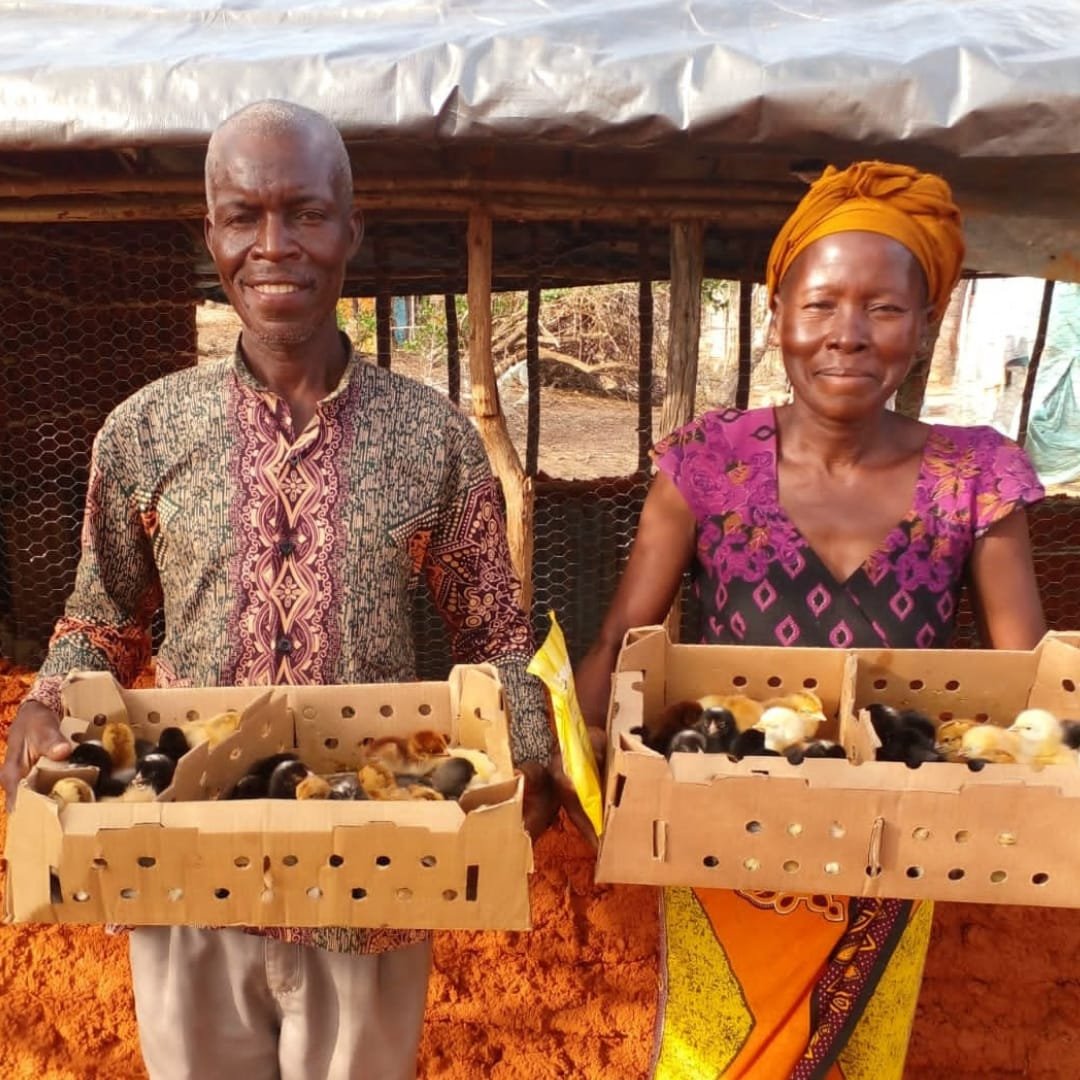
One of the most encouraging aspects of working closely with pastors in unreached areas is that the lessons often go far beyond what we initially set out to accomplish. Through our Kenya Pastor Poultry Program—implemented in partnership with Eggpreneur Kenya, our trusted local partner—we sought to help pastors generate food and modest income for their families through small, backyard poultry enterprises. What we’ve learned along the way is that the impact reaches much deeper than nutrition or finances alone.
1. Dignity Restored
First, we’ve seen a clear restoration of dignity. When pastors are able to provide for their families through their own labor, the dynamic within the community begins to shift. Rather than being perceived—fairly or unfairly—as dependent or struggling, they are seen as contributors. They are working, building, and stewarding resources like everyone else. This restores a sense of dignity that strengthens both the individual pastor and the credibility of their ministry.
2. Increased Community Respect
That restored dignity naturally leads to greater respect. As pastors become small business owners, their standing in the community increases. Their voices as pastors/ministers carry more weight. People listen more attentively—not because the message has changed, but because the messenger is now viewed as responsible, capable, and grounded in the same economic realities as their neighbors.
3. Models of Possibility
We’ve also observed that these simple enterprises become models of possibility. When a pastor successfully operates a small poultry business, it doesn’t just benefit his household—it inspires others. Community members begin to imagine what might be possible for themselves. Some are encouraged simply by witnessing success; others are motivated to start similar ventures. In this way, the pastor’s enterprise quietly multiplies its impact beyond his own home.
4. Reinvestment into Ministry
Another consistent outcome has been reinvestment into ministry. When pastors have surplus income, they rarely keep it for themselves. We’ve seen them purchase chairs for their congregations, repair or replace leaking roofs, add walls to simple church structures, and improve basic facilities. Economic stability strengthens ministry infrastructure in very tangible ways.
5. Greater Generosity
Importantly, increased income has also enabled pastors to become more generous within their communities. Several pastors have used extra eggs or food to assist vulnerable and marginalized families—widows, the elderly, and households facing food insecurity. Rather than being the ones in need, pastors are now positioned to respond compassionately to the needs of others, reflecting Christ’s generosity in practical and visible ways.
6. More Time in the Community
There is also a critical time-related benefit. When pastors lack local income, they are often forced to leave their communities to work as daily laborers or take wage-based jobs elsewhere. While that work may be necessary, it removes them from the very people they are called to serve. Poultry entrepreneurship reduces this pressure, allowing pastors to remain present—relationally, spiritually, and physically—within their communities.
7. Increased Touch Points
Finally, operating a small business increases a pastor’s touch points. Buying feed, selling eggs, trading birds, purchasing equipment, and visiting markets all expand daily interactions. Each interaction becomes a natural opportunity for relationship-building, integrity, and witness. Their network grows, and with it, opportunities to model Christ and expand the reach of the gospel.
What we are learning is this: when struggling pastors are given the opportunity to build small, locally appropriate enterprises, the result is not merely food on the table. It is dignity restored, generosity unlocked, respect earned, communities inspired, ministries strengthened, and relationships multiplied. These outcomes may be difficult to quantify—but they are unmistakable when you see them.